
"G5 coffee"
600 article(s) found
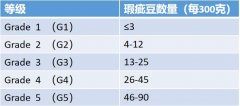
How are the boutique coffee beans graded? Coffee origin Ethiopian coffee bean grade discrimination
Sometimes we will see English and numbers, G1, G2, G3, AA, PB, SHB, SHG, HB and so on. Today, we will introduce the coffee bean grade of Ethiopia. It uses G1, G2, G3, G4, G5 and so on. To grade it. So what are their standards? The grade of coffee beans is usually based on the defect rate and the size of beans.

Gediyo Gediyo, one of the highest coffee producing areas in Ethiopia.
The beans are small, neat and round. Ethiopian sun beans are generally G3--G5, but the beans are G2, equal to the grade of washed beans. Although there are still a few defective beans, they are commendable compared to the sun beans of Harald and Sidamo. The 2015 sun Yega snow caffeine has appeared in the G1 grade, surpassing the G1 washing in terms of quality and sales. This bean is baked

What are the characteristics of Sidamo coffee flavor sharing of hand-made Sidamo coffee
Professional coffee knowledge exchange more coffee bean information please pay attention to the coffee workshop (Wechat official account cafe_style) front street Sidamo coffee hand brewing characteristics introduction Sidamo producing area: (Sidamo)-one of the most famous coffee producing areas in Ethiopia, 1400m above sea level, Mustang 1700m above sea level, raw beans are washed and sunburned. The quality of washed beans is stable, sour and clean. Sun-dried beans

El Salvador boutique coffee is concentrated in Santa Ana in the west and Charantan fruit volcanic rocks in the northwest.
The beans are small, neat and round. Ethiopian sun beans are generally G3--G5, but the beans are G2, equal to the grade of washed beans. Although there are still a few defective beans, they are commendable compared to the sun beans of Harald and Sidamo. The 2015 sun Yega snow caffeine has appeared in the G1 grade, surpassing the G1 washing in terms of quality and sales. This bean is baked
What are the characteristics of Ethiopian coffee beans? introduction to the varieties and prices of Ethiopian coffee
Professional coffee knowledge exchange more coffee bean information please follow the coffee workshop (Wechat official account cafe_style) Ethiopia Coffee Front Street introduction Harar Hara is located in the Eastern Highlands of Ethiopia (Harerge Province) and grows between 5000 and 7000 feet above sea level. It was still wild on the slopes a century ago, and most of the raw beans are medium size and long at both ends, green in color.

Ethiopian Arabica coffee with rich body Original growing environment Fine coffee
The highest grades of washed Ethiopian coffee Yirgacheffe G1 G2 Sidamo are Grade 2 and Grade 3 (G2, G3), and the coffee processed in the sun in eastern Ethiopia is mostly Grade 4 or Grade 5 (G4, G5). In many cases, fourth-grade coffee is labeled as five-grade in order to reduce taxes. Now the classification is not very uniform, some chaos, because there are sun processing

Where is the production area of Sidamo, Ethiopia? the flavor description of coffee beans introduces the characteristics of taste varieties.
Where is the coffee bean in the Sidamo region of Ethiopia? the flavor description of the coffee variety introduces that it grows in the plateau of Western Ethiopia at an altitude of 4900-5900 feet (Wollega province), north of Jima, most of which are wild, with an annual output of about 500000bags/60kg, and most of them are exported to G5/G4. The bean body is larger and longer than Longberry, with a little brown in green, similar to the smell of jasmine tea and bitter.

A list of the main producing areas of Ethiopian Coffee not only Yega Xuefei
Professional coffee knowledge exchange more coffee bean information please follow the coffee workshop (Wechat official account cafe_style) Ethiopia is known as the birthplace of coffee, it is a local custom, no matter how poor people's homes, they must have a coffee pot and a charcoal stove, why? Because coffee is something that local people think they have to make every day.

Introduction to the producing area of Coffee Flavor description Grinding scale in Yega Ficher Manor, Ethiopia
Ethiopian coffee flavor description grinding scale varieties introduce the grades of Ethiopian coffee: Ethiopian washed coffee Yega Sheffield G1 G2 Sidamo (Yirgacheffe, Sidamo) the highest grades are Grade 2 and 3 (G2, G3), while sun-processed coffee in eastern Ethiopia is mostly Grade 4 or Grade 5 (G4, G5). In many affections

Introduction of peach, almond and tea-scented Yejasuffi coffee
In the past two years, Yejia snow coffee is unusual, frequently launched amazing sun beans, and become a boutique market Deep-Fried Chicken! Sun Yega snow coffee, beans are small and neat short round shape, Ethiopian sun beans are generally G3--G5, but this bean is G2, equal to the grade of washed beans, although there are still a few defective beans, but compared with Harald and Sidamo sun beans, it is difficult
How did Sidamo Honey Coffee come from? how to divide the grades of Sidamo coffee beans?
Professional barista communication please follow coffee workshop (Wechat official account cafe_style) washing: Grade-1;Grade-2 (G1G2) sun: Grade-1 and Grade-3Grade-5 (G1G3G4G5) production area: Ethiopia Oromia species: Ethiopia native species Haiba: 2000 treatment: washing factory name: coffee workshop site: Guangzhou Yuexiu Museum District Security

The difference between Sweet Sun-cured Coffee and Water-washed Coffee Flavor description
The difference between Sweet Sun-cured Coffee and Water-washed Coffee describes the characteristics of the varieties. In the past two years, Yega Snow Coffee has launched amazing sun-dried beans frequently, becoming a boutique market, Deep-Fried Chicken! Sun Yega snow coffee, beans are small and neat short round shape, Ethiopian sun beans are generally G3--G5, but this bean is G2, equal to the grade of washed beans, although there are still a few

Introduction to the characteristics of coffee flavor and taste of Ethiopian coffee manor with long, pointed beans
The highest grades of Ethiopian washed coffee Yega Chuefei G1 G2 Sidamo (Yirgacheffe, Sidamo) are Grade 2 and Grade 3 (G2, G3), while most of the sun-processed coffee in eastern Ethiopia are Grade 4 or Grade 5 (G4, G5). In many cases, level 4 coffee is marked as level 5 in order to reduce taxes. At present, the grading is not uniform and messy, because there is also sun processing.
Brief introduction of Ethiopian Coffee the hometown of Arabica Coffee
Lim G2 Ethiopia is the hometown of Arabica coffee, and you can see wild Arabica coffee in the forests of the Kaffa region. In Ethiopian, coffee is called Bun or Buna, and coffee beans (coffee bean) may be translated from Kaffa Bun. Arabica coffee has long been found in the Harald area, which is very accessible.
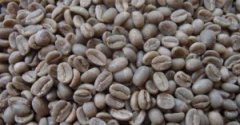
A brief introduction to boutique coffee beans and Ethiopian coffee
Lim G2 Ethiopia is the hometown of Arabica coffee, and you can see wild Arabica coffee in the forests of the Kaffa region. In Ethiopian, coffee is called Bun or Buna, and coffee beans (coffee bean) may be translated from Kaffa Bun. Arabica coffee has long been found in the Harald area, which is very accessible.
Ethiopian coffee treated with water to introduce boutique coffee
Ethiopian sun beans are generally G3--G5, but they are G2 (I will open a new post for Ethiopian coffee beans), which is equal to the grade of washed beans. Although there are still a few defective beans, they are commendable compared to the sun beans of Harald and Sidamo. This bean is baked before the second explosion, and is brewed by hand and siphon. When grinding the beans, you can smell the sweet aroma of the sun.
Ethiopian coffee brands recommend Ethiopian coffee beans how to buy Ethiopian coffee prices
Professional coffee knowledge exchange more coffee bean information please follow the coffee workshop (Wechat official account cafe_style) Ethiopia is known as the birthplace of coffee, it is a local custom, no matter how poor people's homes, they must have a coffee pot and a charcoal stove, why? Because coffee is something that local people think they have to make every day.
Description of Taste and Flavor of Yejia Coffee introduction to the treatment method of Grinding scale Variety production area
Description of taste and flavor of Yejia Coffee Coffee description Grinding scale Variety production area treatment method Solar Yega Coffee sets a strict standard for collecting red fruits (as a result of coffee trees). Before exposing the coffee fruit, the unripe green fruit or defective fruit is removed manually, and the damaged or moldy fruit is removed during the sun drying process. after two weeks, the sugar and essence are all infiltrated into the coffee bean, and the water content is reduced to 12%.

Ethiopian Coffee Manor Flavor Description Grindness Taste Characteristics Boutique Coffee Introduction
Ethiopian coffee grade: Ethiopian washed coffee Yirgacheffe G1 G2 Sidamo (Yirgacheffe, Sidamo) the highest grade is second and third grade (G2, G3), the eastern part of Ethiopia sun processing coffee is mostly fourth or fifth grade (G4, G5). In many cases, fourth-grade coffee is labeled as five-grade in order to reduce taxes. The current classification is not very uniform, there are

Ethiopia where coffee beans are produced Brand flavor Manor production area introduction
Ethiopian coffee grows in the plateau of western Ethiopia at an altitude of 4900-5900 feet (Wollega Province), north of Jima. Most of it is wild, with an annual yield of about 500000bags/60kg. Most of the exports are G5/G4. The beans are larger and longer than Longberry. The green color is a little brown. The taste is similar to jasmine tea. It is bitter, lacks the rising hala, slightly sour, and has a slight fruit fragrance and wine fragrance.